Does Beef Tallow Help Sunburn?
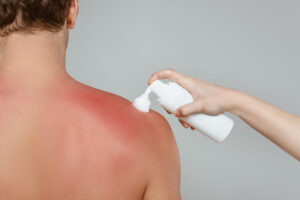
No study shows beef tallow treats sunburn.
Tallow balm vs lotion is mostly a question about water. Lotions are emulsions of water and oil. A balm is made of fats and oils with no water phase. That one difference explains the feel, the ingredient list and how you use each.
Lotion is thin because water is its main ingredient. It needs an emulsifier to keep oil and water together, and preservatives, because water lets microbes grow. It spreads fast and dries down quickly, which is why people like it for large areas and humid days.
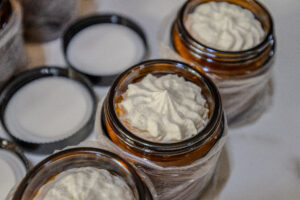
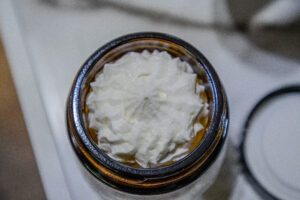
A balm is anhydrous, meaning it contains no water. Tallow balm is rendered beef fat, often whipped with softer oils. It is concentrated, so the amount you need is small. Simply Whipped is the whipped style: airy in the jar, rich on the skin. For background, read what tallow skincare is.

Lotion and balm are two ends of a range. The American Academy of Dermatology describes a cream as thicker than a lotion with more oil, and an ointment as the thickest of all. A balm behaves most like an ointment: mostly oil, slow to sink in, strong at holding water in the skin.
For dry skin, thicker generally does more. The American Academy of Dermatology describes creams as holding more water in the skin than lotions, and ointments more again, and suggests people with dry skin start with a cream or ointment. No study has compared tallow balm directly with standard lotions, so we will not claim a winner.
| Feature | Lotion | Tallow balm |
|---|---|---|
| Main ingredient | Water | Fat and oils |
| Feel | Light, quick to dry | Rich, slower to settle |
| Amount per use | A palmful for the body | A pea-sized scoop per area |
| Good for | Hot days, large areas, oily skin | Dry patches, hands, night use, cold or windy weather |
| Storage | Stable in most rooms | Softens in heat, keep it cool |
A jar of balm looks small next to a pump bottle of lotion. Because balm has no water, a little covers a lot. Judge value by how long a jar lasts in your routine, and size up to Simply Whipped XL if you use it on the whole body.
Plenty of people keep both. Lotion goes on in the morning or after the gym. Balm goes on at night and on elbows, heels and hands. If you are new to balm, read how to use tallow balm, and see how to store it in warm weather.
Two more products sit between lotion and balm. A cream is an emulsion like lotion, with more oil and less water, so it is thicker. A body butter is usually water-free, like a balm, and built on plant fats such as shea or cocoa butter. If you already like body butter, tallow balm will feel familiar. If you have only used pump lotion, expect to use far less.
Weather decides a lot. In humid Florida summers, a light lotion by day and a thin layer of balm at night is comfortable for many people. In air conditioning, heated rooms or cold, windy weather, skin loses water faster and a heavier product earns its place. Travelers often notice this on the first day in a dry climate.

Give it two weeks before you decide. Texture preferences take a few days to settle.
Moisturizers work in three ways. Humectants pull water toward the skin. Emollients smooth and soften the surface. Occlusives slow water from leaving. Lotion, with its high water content, often leans on humectants and light emollients, so it feels fresh and disappears quickly. Balm is all emollient and occlusive, so it feels rich and stays. Neither approach is wrong. They answer different needs, and many people’s skin has both needs in the same day.
Pick up a bottle of lotion and the first ingredient is usually water. After it come oils, an emulsifier to hold the mixture together, a thickener, a preservative system and often fragrance. Pick up a jar of balm and the list is short: fats, oils and perhaps a scent. A longer list is not a flaw, since water-based products need those extra ingredients to stay stable and safe. A shorter list is simply easier to read, which matters to people who are trying to work out what their skin does and does not like.
| Time after applying | Lotion | Tallow balm |
|---|---|---|
| Right away | Cool, wet, light | Rich, glossy |
| Ten minutes | Dry to the touch | Soft sheen, settling in |
| A few hours | May want another layer on dry skin | Still feels moisturized |
These are general impressions and your experience may differ with the amount used and the weather.
Neither lotion nor balm protects against the sun unless it is a tested sunscreen with an SPF on the label. A moisturizing lotion and a sunscreen lotion look alike in the bottle and do different jobs. Apply moisturizer first and sunscreen last. We cover this in is beef tallow good for sun protection.
Water-based lotions rely on preservatives to stay safe, and the FDA notes that emulsions can separate over time. Balms have no water to separate, though fats can turn rancid with heat, light and age. Lotion tolerates a warm bathroom better. Balm wants a cool, shaded spot. In both cases, clean hands and a closed lid make the biggest difference.

Both come scented and unscented. Because balm is concentrated and stays on the skin, a scented balm can smell stronger for longer than a scented lotion. If you are sensitive, start with an unscented jar. Our article on scented vs. fragrance-free skincare explains the label terms.
Mostly dry, mostly rough spots, short list preferred: start with balm. Mostly oily, large areas, in a hurry: start with lotion. A mix of answers: keep both.
Simply Whipped is the easy entry point. It is whipped, so it spreads more like a thick cream than a wax. Use it at night on hands and elbows for a week, then decide where else it belongs. If you have questions about scents or sizes, contact us. To see the full range, shop our skin care products.
Lotion and balm are built differently and both have a place. Lotion brings water and a light feel, which suits humid days, oily skin and large areas. Balm brings concentrated fats and staying power, which suits dry patches, hands, night use and harsh weather. Dermatologists generally steer people with dry skin toward thicker products, and a balm sits at that end of the range. If you are choosing only one, let your skin type and climate decide. If you can keep two, use each where it works best and adjust with the seasons.
It depends on your skin and the weather. Very dry skin often prefers a heavier product. Oily skin may prefer lotion.
Yes. Apply lotion first, then a thin layer of balm on the driest areas.
Rich products can feel heavy on breakout-prone skin. Patch test and use a small amount.
With no water in the formula, a balm does not need an emulsifier to hold water and oil together.
This article is general information, not medical advice. See a board-certified dermatologist about any skin concern.

No study shows beef tallow treats sunburn.
Plain beef tallow is a moisturizer and
Tallow skincare is moisturizer made from rendered
A pea-sized scoop on damp skin is