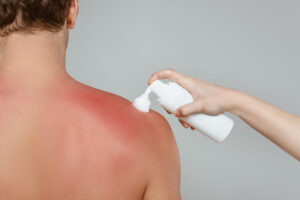
Does Beef Tallow Help Sunburn?
No study shows beef tallow treats sunburn.
Tallow skincare is moisturizer made from rendered beef fat. People used animal fats on skin for centuries, and the idea has returned as shoppers look for short ingredient lists. Here is what tallow is, how it becomes a balm, and what the research can and cannot tell you.
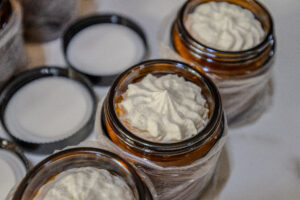
Tallow is the fat left after beef suet is slowly melted and strained. A 2024 scoping review in Cureus describes it as rich in triglycerides, mainly oleic, palmitic, stearic and linoleic acids. At room temperature it is firm. Whipping it with air and softer oils gives the light, spreadable texture most balms have.
Rendering is slow, low heat. Raw fat is melted, the solids are strained out, and the clean fat is left to set. Purifying it again reduces the natural beef scent. From there a maker can pour it as a firm balm or whip it into a cream-like texture, with or without added scent.

We source 100% grass fed and finished beef fat locally and render and purify it ourselves before it goes into a jar. You can read more on our About page. Our whipped tallow comes in two sizes, Simply Whipped and Simply Whipped XL, in unscented and scented options.
Tallow is an emollient and an occlusive. It softens the surface of the skin and slows water loss, which is what any rich moisturizer does. The evidence beyond that is thin. The same review found few human studies and called for more. Dermatology Times reports that tallow has not been shown to outperform well-studied moisturizers and should not be used to treat acne, eczema or psoriasis.
We like tallow because it is simple, it feels good, and a small amount covers a lot of skin. Those are fair reasons to try it. Medical claims are a separate matter, and we do not make them.
Rich fats can feel heavy on oily or breakout-prone skin. Test a small amount on the inner arm or along the jaw for a few days before using it across your face. If you have a diagnosed skin condition, ask your dermatologist first.
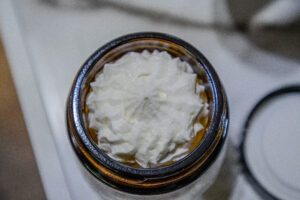
Use a pea-sized amount on damp skin after washing. The American Academy of Dermatology notes that moisturizer works best right after a shower because it traps water in the skin. Our article on how to use tallow balm walks through a full routine, and tallow balm vs. lotion compares it with what you may already own. Ready to try a jar? You can shop our skin care products.
Clear expectations make for happier skin. Tallow is a moisturizer. It is not a sunscreen, and plain tallow has no tested SPF. It is not an insect repellent. It is not a treatment for acne, eczema, psoriasis or any other condition. If you see those promises online, look for the study behind them. For the sun question in particular, read is beef tallow good for sun protection.
Shea butter and cocoa butter are plant fats used the same way: as rich, water-free moisturizers. The American Academy of Dermatology names shea butter among the ingredients worth looking for in a cream or ointment for dry skin. Tallow is the animal-fat counterpart. Choosing between them comes down to feel, scent, how your skin responds, and whether you want an animal product. Many people own both.

Long before lotion came in pump bottles, people used what they had. Animal fats were worked into soap, candles, salves and leather care in households around the world. Tallow was valued because it is firm, it keeps, and it spreads when warmed. Modern tallow skincare borrows that old idea and adds cleaner rendering, whipping and optional scent. The appeal for many shoppers today is the same as it was then: a short list of familiar ingredients.
Fats are built from fatty acids. The review cited above lists the main ones in tallow as oleic, palmitic, stearic and linoleic acid. You will see the same names on the ingredient lists of many creams, because plant oils and butters contain them too in different proportions. Stearic and palmitic acid give a product body. Oleic acid gives slip. That mix is why tallow feels rich and why a little spreads a long way.
You may read that tallow resembles the oils your own skin makes. It is a common talking point, and it is a comparison of ingredients on paper. Studies of tallow as a finished moisturizer on human skin remain few, so we treat it as a reasonable idea still waiting on evidence.
These three words explain most moisturizers.
Tallow covers the first two. It does not add water, which is why applying it to damp skin matters. The American Academy of Dermatology makes the same point about thick moisturizers in general: they work best when they trap water that is already there.
Tallow products vary more than the name suggests.
If you tried one tallow product and found it too heavy, a whipped version may feel quite different.
People with very oily or breakout-prone facial skin may prefer to keep it for the body. People who avoid animal products will want a plant-based butter.

Our answers: locally sourced grass fed and finished beef fat, rendered and purified by us, with an Unscented EO Free option alongside the scented jars. Storage tips are in how to store tallow skincare, and scent choices are covered in scented vs. fragrance-free skincare.
If the idea appeals, start small. Pick one jar, patch test, and use it on hands and rough spots for a week before deciding about your face. Have a question about scents, sizes or ingredients? You can contact us any time.
Tallow balm replaces one step, the moisturizer. Everything else stays. Keep the gentle cleanser you already like. Keep your daily sunscreen. Keep any products a dermatologist has prescribed, and ask where a rich moisturizer belongs around them. People are sometimes tempted to drop the whole shelf for a single jar. A steadier approach is to swap the moisturizer alone, watch how your skin responds for a few weeks, and change nothing else during that time. That way, if your skin improves or objects, you know which product is responsible.
Well-purified tallow has a mild scent. We offer an unscented option and several lightly scented ones.
No. Tallow is an animal product.
Many people do. Patch test first, and use less than you think you need.
Both start as rendered beef fat. Skincare tallow is purified further and usually whipped or blended for texture.
This article is general information, not medical advice. See a board-certified dermatologist about any skin concern.

No study shows beef tallow treats sunburn.

Plain beef tallow is a moisturizer and
Tallow skincare is moisturizer made from rendered
A pea-sized scoop on damp skin is